Humidity and carpets in a seaside home
5 min read
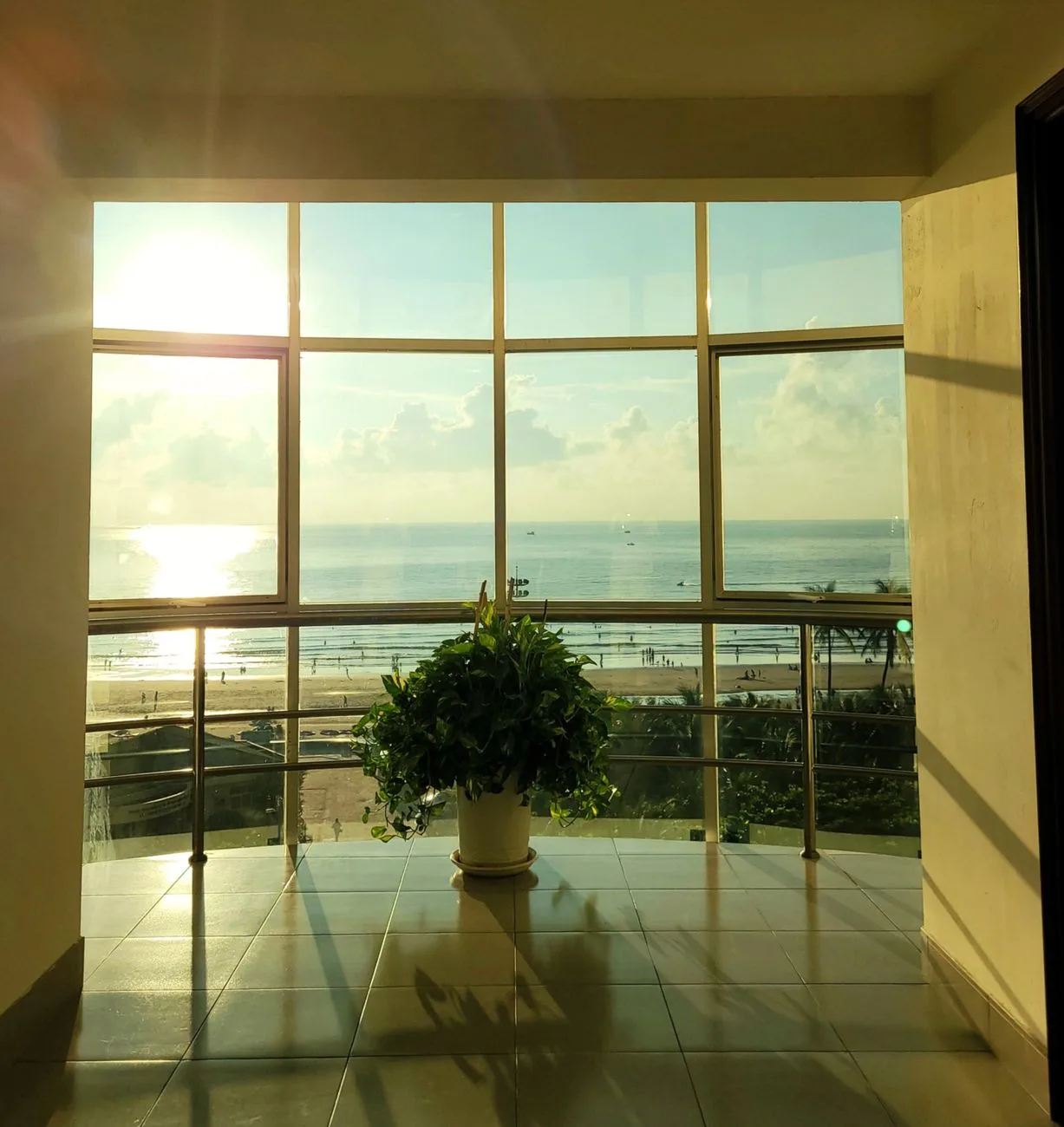
By the sea, moisture in the air works its way into a carpet's backing, and that is usually where odour and mould begin. Lay the carpet a few centimetres from the wall, air the house briefly with windows open on opposite sides, check underneath now and then, and never put a wet carpet back down until the backing is completely dry.
Write to us on WhatsApp — we reply with the help of a translation tool. Phone calls are in Turkish.
Where does moisture get into a carpet?
In seaside homes, the humidity stays high for most of the year. That moisture collects not only on walls and inside cupboards but also in the carpet on the floor. The top of the carpet is in contact with the air and dries quickly; the real problem starts in the backing that touches the floor. When no air moves between the backing and the floor, the moisture stays there and eventually makes itself known through smell.
The type of floor plays a part too. Ceramic and stone floors stay cool; when warm, humid air meets that cool surface, condensation can form under the carpet. This happens more often in ground-floor rooms, rooms that get little sun, or rooms that stay shut for long periods.
Then there is moisture brought in from outside: wet feet after the beach, towels left by the door, rain blowing in from the balcony. Each seems minor, but when a carpet stays in the same spot for months, it adds up.
First signs: smell, stains, rippling
A carpet affected by damp usually warns you with a smell first. If you notice a faint musty smell when you walk into the room, it's time to look underneath. Watch for these signs:
- Small whitish or greenish spots on the backing
- Rippling, curling or slight stiffening at the edges
- A cool, damp feel when you touch it
- A dark mark on the floor in the shape of the carpet
If you see any of these signs, lift the carpet and dry both its underside and the floor. If mould has started, wiping the surface isn't enough; the carpet needs washing right down to the backing and then drying completely.
Small habits that help at home
The most effective way to deal with damp is to keep the air in the house moving. A short airing in the morning and in the cool of the evening, with windows open on opposite sides, works better than a single window left ajar all day.
- If you have air conditioning, try the dehumidifying mode.
- After a shower or cooking, close that room's door and air just that room.
- Don't leave wet towels, swimwear or beach bags on the carpet.
- Dry laundry on the balcony if you can; washing drying indoors raises the humidity in the room.
Regular vacuuming matters for damp too. The salt in sand and dust carried in on your feet holds moisture and keeps it close to the carpet's backing for a long time. Vacuuming once a week in two directions reduces that build-up.
A small doormat at the entrance does more than you'd think. Most of the sand coming in from the beach or the garden stays there and never reaches the living-room carpet. Shaking the mat out once a week and washing it once a month keeps it from becoming a damp corner itself. If you have a hygrometer at home, check it now and then; if it stays above sixty percent, it's time to air the house more.
Where and how to lay the carpet
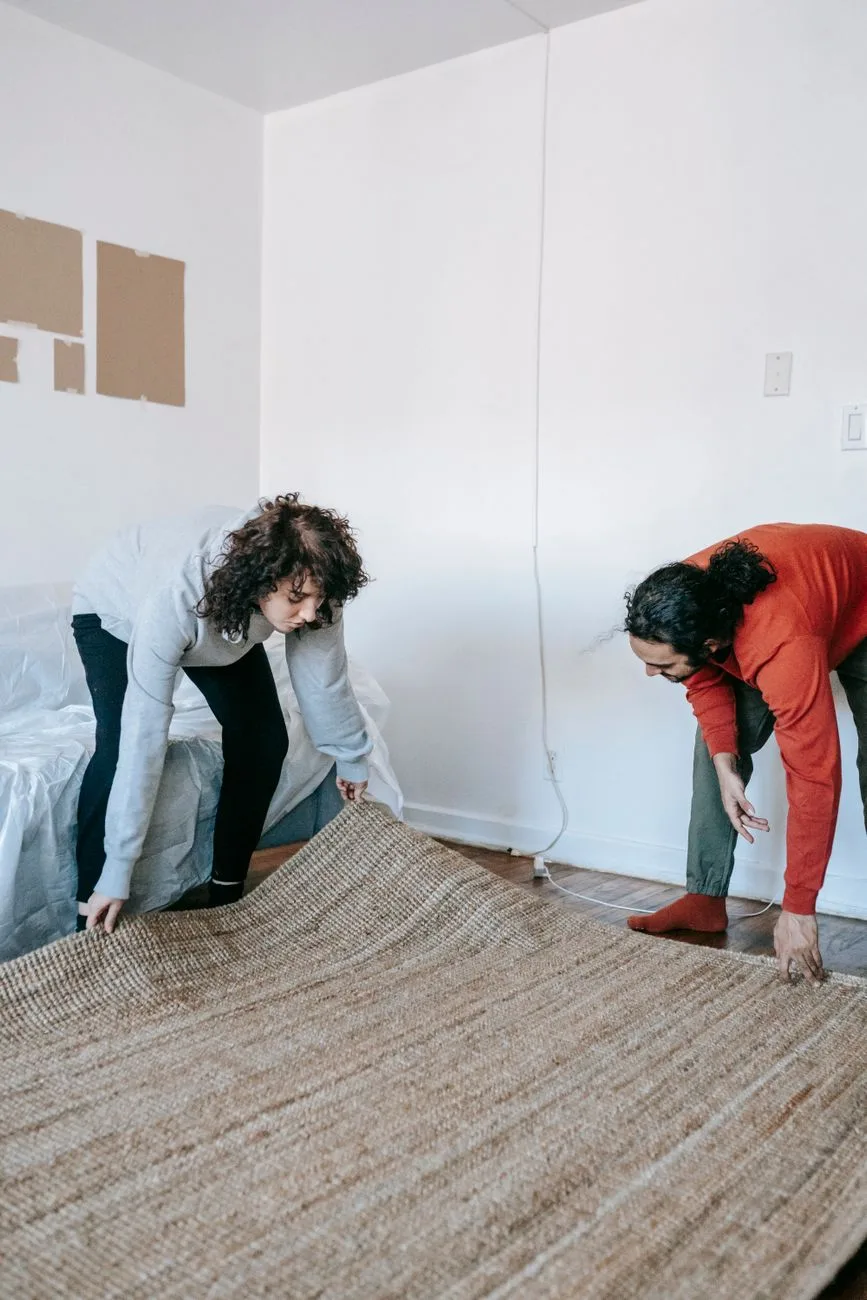
Rather than pushing the carpet right up against the wall, leave a gap of a few centimetres at the edges. Outside walls are cooler than inside ones, and moisture collects along those edges.
If possible, lay a breathable non-slip underlay beneath the carpet. Thin underlays with a plastic or rubber base can trap moisture. Lifting the carpet a few times a year and airing its underside helps the backing dry; but leaving it for hours in strong sun can fade the colours.
Areas under heavy furniture get the least air. Shifting furniture slightly now and then reduces both dents and moisture build-up.
In winter, when the heating is on, the air in the room dries out but the floor stays cool; the difference between a warm room and a cold floor can increase condensation. During this period, lifting the carpet once a month to check underneath lets you catch problems while they're small. The small rugs at the kitchen and bathroom doors get wet the most; make a habit of shaking them out once a week and airing their undersides.
Why drying after washing matters so much
In a humid climate, drying is half of washing a carpet. A carpet that looks dry on top but is still wet inside the backing can start to smell within a few days of being laid down. If you're thinking of washing a carpet at home, first consider whether you have a large, airy space where you can dry it completely.
At Rose Halı Yıkama, carpets are washed at our facility and brought back packaged; pickup and delivery in Konyaaltı are free. If you've noticed a smell or stains on the back of your carpet, you can send us a photo on WhatsApp.