Putting the carpet away when closing a holiday home
4 min read
Before closing up a holiday home, have the carpet washed or at least vacuum it thoroughly on both sides, make sure it's completely dry, roll it without folding, wrap it in breathable fabric and store it off the floor in a dry place. A carpet left dirty and damp attracts moths and odour over the winter.
Write to us on WhatsApp — we reply with the help of a translation tool. Phone calls are in Turkish.
Why is leaving the carpet down risky?
Holiday homes stay shut for months after the season ends. Windows stay closed, air doesn't move, there's no heating. In those conditions a carpet left on the floor faces two things: damp and moths.
In a closed house the humidity rises, especially in the rainy months, and builds up in the carpet's backing. Moths like dark, quiet, undisturbed places; hair, crumbs and traces of sweat left on a wool carpet are an open invitation. The heavy smell that greets you when you open the house in spring usually comes from these two.
Then there's the sun. In a room where the shutters or curtains don't close fully, part of the carpet gets the same light for months. Finding at the start of the season that one half of the carpet is paler than the other is a common surprise for holiday-home owners. Taking the carpet up removes all three risks at once.
Cleaning before you put it away
Cleaning the carpet before putting it away is the most important step in storing it. Over the summer, sand, sea water, sun cream and spilled drinks get into it. Even if you can't see them, they stay between the fibres and, in a closed space, eventually show up as odour or stains.
- Vacuum both sides of the carpet; don't forget the sand on the back.
- Blot visible stains with an absorbent cloth instead of rubbing.
- If the carpet needs washing, have it washed before storing; don't put a dirty carpet away for the winter.
- Never roll a carpet that has been washed or got wet until its backing is completely dry.
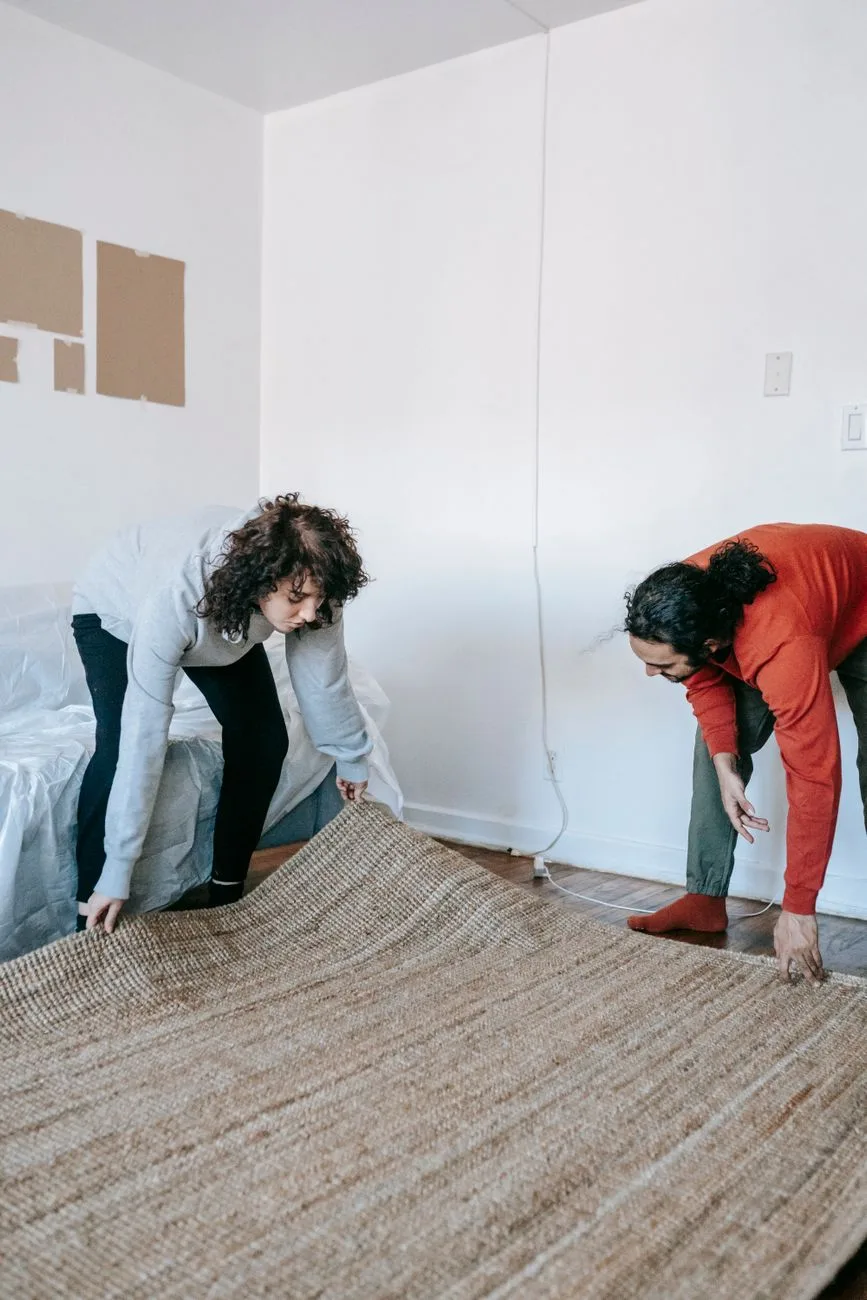
Once the carpet is up, mop the floor and leave it to dry. Sand and dust left under the carpet can mix with damp in the empty house over winter and settle into the floor joints.
Rolling, wrapping and where to store it
Roll the clean, dry carpet from one end without folding it. Wrap the roll in a cotton sheet or breathable fabric. A plastic bag looks protective at first glance, but the slightest moisture left inside can't escape in a closed space and the carpet sweats.
The best storage spot is a dry, cool corner out of direct sunlight. Put the roll on a shelf or a few wooden blocks rather than on the floor. Ground-floor storerooms, basements and cupboards against outside walls are the riskiest places for damp.
If you have several carpets, lay the rolls side by side rather than stacking them. The bottom roll gets crushed under the weight of the others and can be permanently marked. A small note on each roll saying which room it belongs to and when it was put away makes things easier in spring.
Guarding against moths and odour
The most effective protection against moths is cleanliness; a clean carpet attracts them less. You can also put lavender sachets or pieces of cedar between the rolls. Don't let chemical moth repellents touch the carpet directly; some can cause stains and lasting smells.
Before closing the house, leave cupboard and storeroom doors slightly ajar so the air inside doesn't stagnate completely. If possible, stopping by once in mid-winter to open the windows for a few hours also makes a difference.
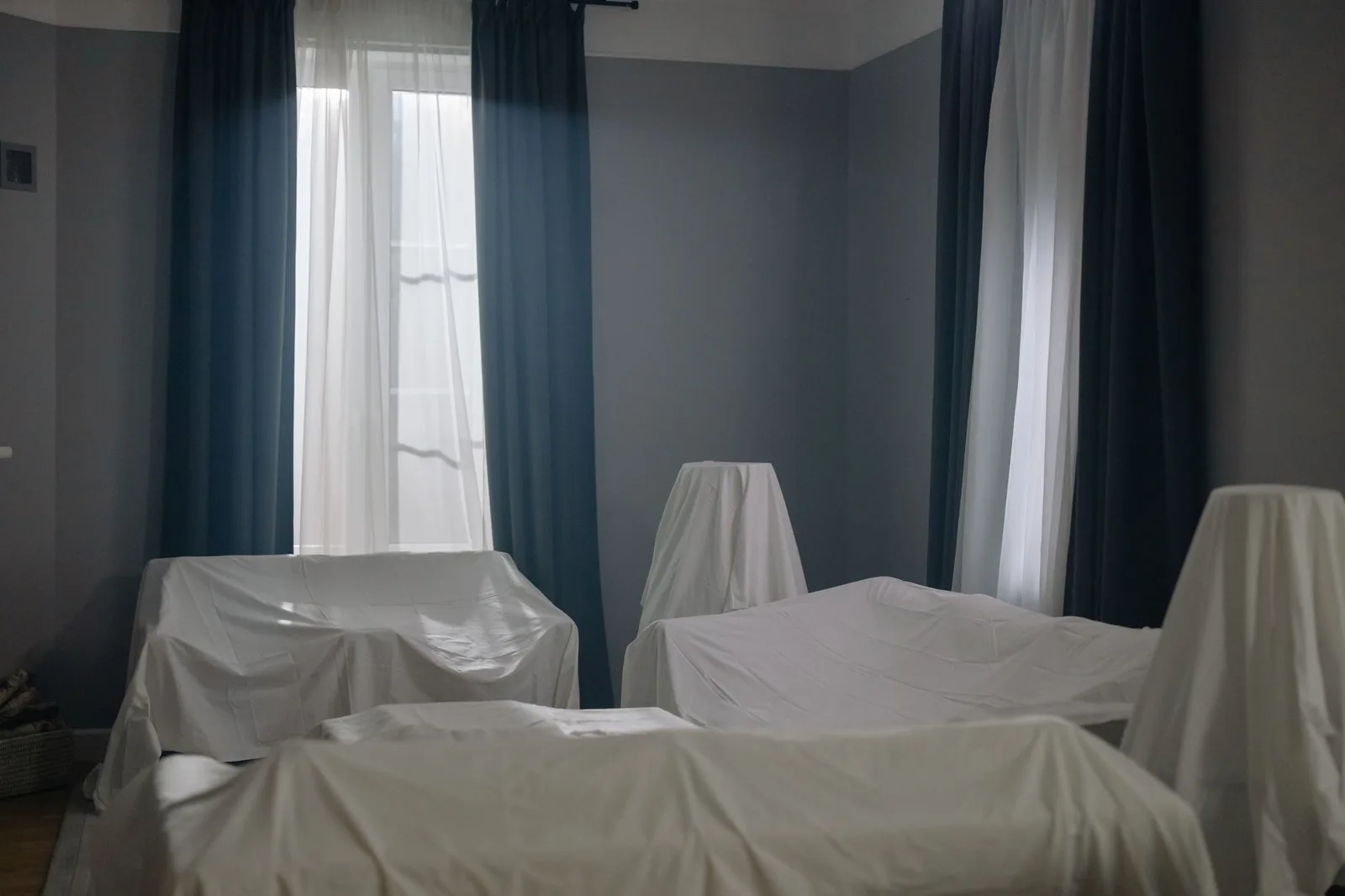
Take a similar approach with sofas. Rather than leaving the sofa bare, cover it with a cotton sheet; a plastic cover traps moisture here too. Standing the seat cushions upright or laying them crosswise on the sofa lets air circulate underneath. Scatter cushions and small throws are safer washed and stored in a dry cupboard than left out in the house.
When the season opens
In spring, air the house before unrolling the carpet. If, when you unroll it, you notice a smell, stains or a whitish mark on the backing, don't lay it straight away; dry it first, and have it washed if needed.
If there's no sign of a problem, leave the carpet unrolled in a shady, airy spot for a few hours before laying it. The edges of a carpet that has been rolled up for months may curl; rolling it gently the opposite way for a few minutes, or placing a flat, heavy book on the edges for a while, sorts this out. If you're looking for signs of moths, check the back of the carpet and the base of the fringe; that's usually where the first signs appear.
If your holiday home is in Konyaaltı, at the end of the season we can collect your carpets from your door, wash them at our facility and bring them back packaged. A packaged carpet is ready for storage. Pickup and delivery are free.